Junk Removal House Clearance: Revolutionizing Urban Spaces and Sustainable Living
Introduction
In the fast-paced, modern world, the concept of efficient and sustainable waste management has gained significant importance. At the forefront of this movement is 'Junk Removal House Clearance', a practice that involves the comprehensive cleanout and restructuring of residential spaces, promoting a healthier and more organized lifestyle. This article aims to provide an in-depth exploration of the global phenomenon, its impact, and the various facets that contribute to its growing significance. By delving into history, current trends, economic implications, technological innovations, policy frameworks, and real-world applications, we will uncover the multifaceted world of junk removal services and their role in shaping urban environments.
Understanding Junk Removal House Clearance: Unpacking the Concept
Definition: Junk Removal House Clearance refers to the professional process of clearing out unwanted items, debris, and excess possessions from residential properties, with the goal of reorganizing, refurbishing, or completely transforming living spaces. It involves a systematic approach to decluttering, recycling, and disposing of junk in an environmentally responsible manner.
Core Components:
-
Declutter and Sort: The initial step includes sorting through belongings, identifying items for retention, donation, sale, or disposal. This process requires a thorough evaluation of personal possessions.
-
Removal and Transportation: Licensed junk removal companies employ specialized equipment to lift, load, and transport the collected waste, ensuring safety and efficiency.
-
Recycling and Disposal: Responsible junk removal services separate recyclables from non-recyclable materials, adhering to environmental regulations for proper disposal or recycling.
-
Restoration and Reuse: In some cases, junk removal companies may offer restoration services for reusable items, promoting a circular economy.
Historical Context: The practice of junk removal has evolved over time, reflecting societal changes and growing environmental consciousness. In the past, local governments often handled waste collection, but with increasing urbanization and the rise of consumer culture, specialized junk removal services gained popularity. The late 20th century witnessed a shift towards more eco-friendly practices, pushing the industry to adopt sustainable methods in line with global environmental standards.
Significance: Junk Removal House Clearance plays a pivotal role in:
-
Space Optimization: It helps homeowners create more functional and aesthetically pleasing living spaces by reducing clutter and reorganizing possessions.
-
Environmental Conservation: Responsible junk removal contributes to waste reduction, recycling, and proper disposal, mitigating the environmental impact of unnecessary items.
-
Health and Safety: Clearing out old furniture, debris, and hazardous materials improves indoor air quality and reduces potential health risks associated with unsanitary living conditions.
Global Impact and Trends
Junk Removal House Clearance has transcended geographical boundaries, becoming a global phenomenon with unique regional variations.
International Influence:
- North America: The United States and Canada have seen a surge in demand for junk removal services, driven by fast-paced lifestyles and the tendency to accumulate unwanted items.
- Europe: Countries like Germany and the UK have long-established junk removal industries, known for their strict environmental regulations and efficient recycling practices.
- Asia Pacific: Rapid urbanization in countries like China and Japan has led to increased demand for space optimization and junk removal services.
Key Global Trends:
| Trend | Description |
|---|---|
| Sustainability Focus: A growing emphasis on eco-friendly practices, with companies adopting green technologies and promoting recycling. | |
| Technology Integration: Utilizing digital tools for scheduling, real-time tracking, and customer communication enhances service efficiency. | |
| Specialized Services: Emerging trends include furniture refurbishment, estate clearance, and specialized removal of electronic waste (e-waste). | |
| Subscription Models: Some companies offer subscription-based services, providing regular clearances to maintain a clutter-free home. |
Regional Variations:
- North America: Known for its high demand, the US market features major players offering comprehensive junk removal solutions, while Canada focuses on sustainable practices and local recycling initiatives.
- Europe: Strict environmental policies in countries like Germany have led to highly regulated industries with a strong emphasis on recycling and waste reduction.
- Asia: Rapid economic growth has resulted in unique challenges, such as e-waste management, prompting specialized junk removal services catering to these issues.
Economic Considerations: Market Dynamics and Impact
The junk removal industry is a significant contributor to the global economy, with varying market dynamics across regions.
Market Size and Growth:
- According to a 2022 report, the global junk removal market size was valued at USD 74.5 billion in 2021 and is projected to grow at a CAGR of 6.5% from 2022 to 2030.
- North America dominates the market, followed by Europe, with Asia Pacific exhibiting substantial growth potential due to urbanization and changing consumer preferences.
Investment Patterns:
- Private equity firms have shown interest in junk removal companies, recognizing their potential for revenue generation and positive environmental impact.
- Many startups are leveraging technology to streamline operations, improve customer experience, and offer customized solutions, attracting investments from venture capital firms.
Economic Impact:
- Junk removal services create employment opportunities, contributing to local economies.
- Efficient waste management reduces costs associated with landfilling and incineration, leading to long-term financial savings for communities.
- The industry's growth stimulates the development of recycling infrastructure and promotes a circular economy.
Technological Advancements: Driving Innovation Forward
Technology plays a pivotal role in transforming the junk removal industry, enhancing efficiency, sustainability, and customer experience.
Digital Scheduling and Communication:
- Online booking platforms allow customers to schedule clearances instantly, providing real-time quotes and transparent pricing.
- Mobile applications enable customers to track truck locations, receive alerts, and communicate with removal teams, improving convenience and accountability.
Sustainable Equipment and Practices:
- Hydraulic lifting equipment and specialized vehicles enhance safety during the removal process, reducing labor-related incidents.
- Eco-friendly recycling techniques, such as advanced sorting technologies, ensure higher rates of material recovery and diversion from landfills.
Data Analytics and Customer Insights:
- Junk removal companies are leveraging data analytics to understand customer preferences, optimize route planning, and improve service delivery.
- Predictive analytics helps in forecasting demand, enabling efficient workforce allocation and resource management.
Policy and Regulation: Shaping the Industry's Future
Government policies and regulations significantly influence the operations and development of the junk removal industry.
Environmental Regulations:
- Strict waste management laws in many countries mandate responsible disposal practices, recycling targets, and restrictions on certain materials.
- The European Union's Waste Framework Directive sets out overarching principles for waste management, including a focus on prevention, reuse, and recycling.
Licensing and Permitting:
- Junk removal companies must obtain licenses and permits to operate legally, ensuring compliance with environmental and safety standards.
- Local authorities play a crucial role in regulating the industry, issuing permits, and monitoring compliance.
Incentives for Sustainability:
- Governments worldwide are offering incentives, grants, and tax benefits to encourage the adoption of eco-friendly practices within the junk removal sector.
- These initiatives promote investments in green technologies, recycling infrastructure, and sustainable waste management solutions.
Challenges and Criticisms: Overcoming Barriers to Growth
Despite its numerous benefits, the junk removal industry faces several challenges and criticisms that require strategic solutions.
Key Challenges:
-
Waste Volume and Diversity: The increasing volume of waste generated globally presents a challenge for removal companies, especially with the rise of e-waste and hazardous materials.
-
Labor Shortages: Skilled labor is in demand, and attracting and retaining competent workers remain significant issues, impacting service quality and availability.
-
Environmental Concerns: Critics argue that some companies may prioritize profit over sustainability, leading to illegal dumping or improper disposal of waste.
-
Cost and Affordability: Junk removal services can be expensive, making them less accessible to low-income households, creating a social equity concern.
Proposed Solutions:
-
Waste Management Partnerships: Collaborating with local governments and recycling facilities can help manage diverse waste streams efficiently.
-
Training and Education: Investing in worker training programs and promoting industry awareness campaigns can address labor shortages and improve environmental practices.
-
Stricter Regulations: Enhancing policy frameworks to ensure accountability, especially for illegal dumping, will reinforce responsible junk removal practices.
-
Subsidies and Community Programs: Offering financial assistance or community-based initiatives can make junk removal services more affordable for underserved populations.
Case Studies: Real-World Success Stories
London, UK: The Green Clearout Revolution
London's junking scene underwent a significant transformation with the emergence of 'Green Clearout', a pioneering junk removal company known for its eco-friendly approach. They achieved success by:
- Sustainable Practices: Utilizing advanced recycling technologies and employing trained staff to handle hazardous materials safely.
- Community Engagement: Organizing local events and partnerships with schools to promote waste reduction and recycling awareness.
- Data-Driven Operations: Implementing a digital scheduling system, Green Clearout optimized routes, reduced carbon emissions, and improved customer satisfaction.
Tokyo, Japan: Space Optimization Experts
Japan's bustling metropolis, Tokyo, presents unique space challenges for residents. 'Space Savers' emerged as a leading junk removal service, catering to the city's high-density population. Their strategy included:
- Customized Solutions: Offering flexible packages tailored to individual needs, from small apartments to large commercial spaces.
- Efficient Disposal: Developing partnerships with local recycling centers to ensure proper disposal and recovery of materials.
- Technology Integration: Launching a user-friendly mobile app for seamless booking and real-time tracking, attracting tech-savvy residents.
Los Angeles, USA: The Digital Junk Removers
In the heart of California's entertainment industry, 'Digital Junk' revolutionized junk removal with technology. Their approach involved:
- Online Scheduling: A user-friendly website allowed customers to book clearances instantly, receive transparent pricing, and track truck locations.
- Data Analytics: Leveraging data, they optimized routes, reduced travel time, and offered personalized recommendations for storage solutions.
- Community Outreach: Digital Junk partnered with local charities, promoting donation drives and diverting items from landfills.
Future Prospects: Looking Ahead in the Industry
The junk removal industry is poised for significant growth and evolution, driven by technological advancements, changing consumer preferences, and global sustainability goals.
Emerging Trends:
- Smart Waste Management: Integration of Internet of Things (IoT) devices and sensors to monitor waste streams, optimize collection routes, and enhance recycling efficiency.
- Robotic Assistance: Deploying robots for sorting and handling waste, improving safety and reducing labor costs.
- Circular Economy Focus: Encouraging the reuse and repurposing of materials through innovative business models.
Growth Areas:
- Sustainable Construction: With the rise of eco-friendly building practices, junk removal services will play a crucial role in managing construction waste and promoting recycling.
- E-commerce and E-waste: The increasing online shopping trend generates e-waste, creating a new demand for specialized junk removal and responsible disposal.
- Global Expansion: Emerging markets in Asia and Latin America present significant growth opportunities due to urbanization and changing consumption patterns.
Strategic Considerations:
- Technology Partnership: Collaborating with tech startups and research institutions to develop cutting-edge solutions, ensuring a competitive edge.
- Sustainability Certification: Adopting industry-recognized sustainability standards to build brand reputation and attract environmentally conscious customers.
- Community Engagement: Investing in local initiatives and promoting waste reduction awareness to foster long-term relationships with communities.
Conclusion: Revolutionizing Urban Spaces, One Clearance at a Time
Junk Removal House Clearance has emerged as a vital component of modern urban life, addressing pressing issues related to waste management, space optimization, and environmental conservation. The industry's global reach and diverse applications demonstrate its transformative potential. As we navigate an increasingly urbanized world, the responsible and efficient clearance of junk will remain a critical aspect of sustainable living.
By embracing technological advancements, adopting stringent environmental policies, and fostering community partnerships, the junk removal industry can continue to evolve, ensuring a cleaner, greener, and more organized future for cities worldwide. As we conclude, it is evident that this seemingly mundane service plays a pivotal role in shaping urban landscapes and enhancing the quality of life for millions.
FAQ Section: Answering Common Queries
Q: How does junk removal help the environment? A: Junk removal services contribute to environmental conservation by reducing waste sent to landfills, promoting recycling, and proper disposal of hazardous materials. This helps preserve natural resources and minimizes the ecological impact of unwanted items.
Q: Are there any environmental regulations for junk removal companies? A: Yes, many countries have stringent environmental regulations that govern waste management practices. These include guidelines for safe handling of hazardous waste, recycling targets, and restrictions on certain materials to ensure responsible disposal.
Q: Can I donate items instead of having them removed? A: Absolutely! Many junk removal companies collaborate with charities and donation centers, enabling you to donate usable items. This reduces waste and supports charitable causes, making it a sustainable option.
Q: How do I choose the best junk removal company? A: Look for companies with a strong online presence, transparent pricing, and positive customer reviews. Ensure they hold relevant licenses and certifications, demonstrate environmental responsibility, and offer customized solutions to meet your specific needs.
Q: Is junk removal expensive? A: The cost varies depending on the volume of waste, location, and company policies. However, many reputable companies offer competitive pricing and flexible packages to suit different budgets, making it accessible for most homeowners.
Category: Junk Removal House Clearance
Green Junk Removal: Sustainable Property Clearance Practices
Read more →
Hire Reliable Junk Haulers: Property Clearance Best Practices
Read more →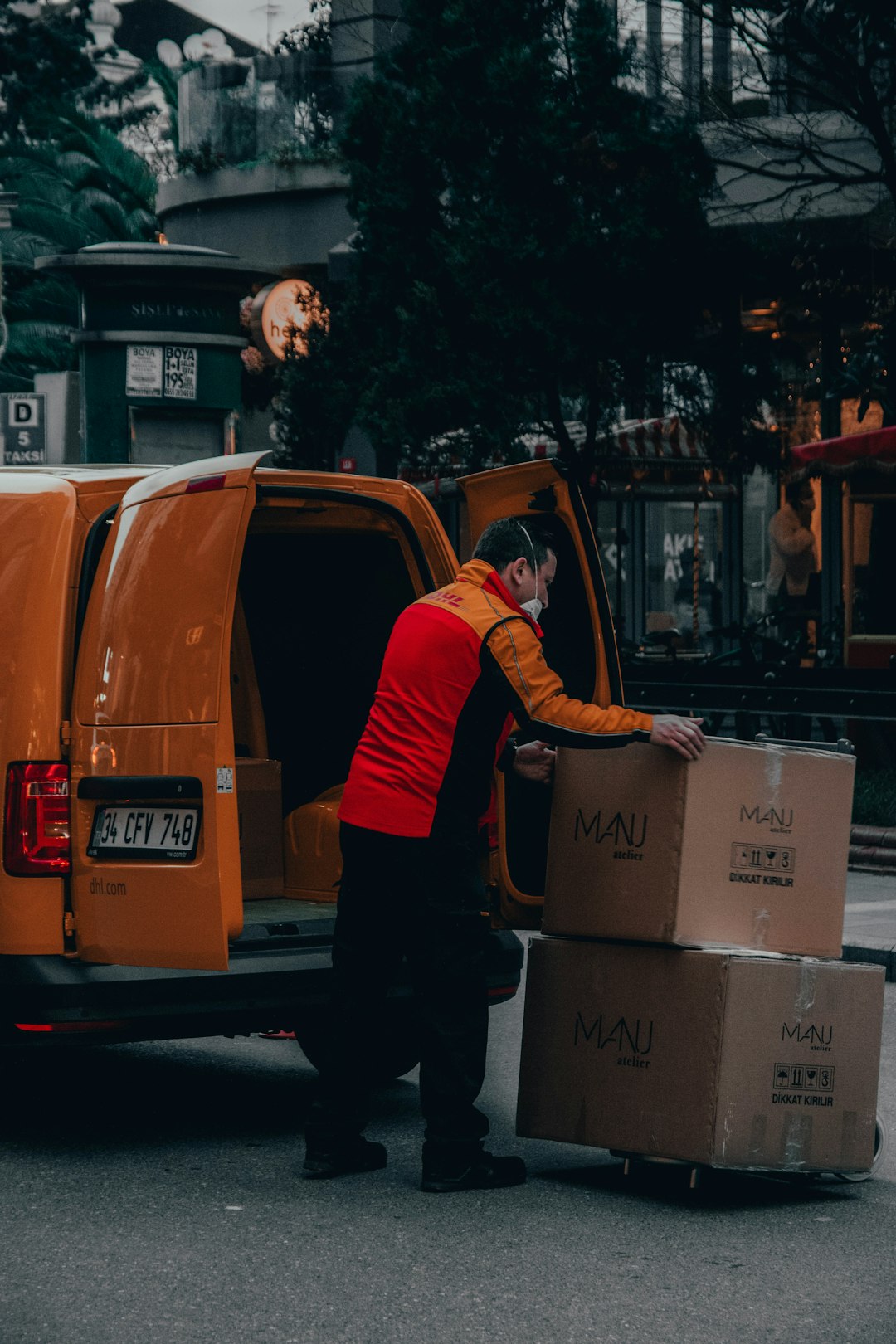
Master Efficient Property Clearance: Streamline, Recycle, and Organize
Read more →
Mastering House Clearance: Efficient Strategies for Success
Read more →
Secure House Clearance with Comprehensive Insurance Protection
Read more →
Embrace Simplicity: Declutter, Transform with Property Clearance
Read more →Streamline Your Move: Efficient Property Clearance Strategies
Read more →Streamline Your Move: Efficient Decluttering for House Clearance
Read more →Streamline Move: Efficient Property Clearance & Post-Decluttering Tips
Read more →Streamline Your Move: Efficient House Clearance & Minimalist Start
Read more →
Unclutter Your Space: Embrace Minimalism & Calm Your Mind
Read more →Embrace Simplicity: Declutter for Peace with House Clearance Tips
Read more →
Efficient Property Clearance: Eco-Friendly Junk Disposal Solutions
Read more →
Empower Community Sustainability: House Clearance & Recycling Resources
Read more →
Boost Recycling: House Clearance Strategies & Community Engagement
Read more →
Community Recycling: Engage, Educate, Clear Property for Sustainability
Read more →Master House Clearance: Choose Haulers for Optimal Value
Read more →Mastering Property Clearance: Find Top-Rated Junk Haulers
Read more →Mastering House Clearance: Find Top Junk Haulers Effortlessly
Read more →
Attract Top Junk Haulers for Efficient House Clearance
Read more →Uncovering Top Property Clearance Experts: Recruitment Secrets
Read more →Unclutter Your Space: Minimalism and Property Clearance Benefits
Read more →Unclutter Your Space, Unlock Peace: House Clearance for Lasting Happiness
Read more →
Embracing Simplicity: Clear Out Clutter for Enhanced Life
Read more →Unclutter Your Space: Minimalisms Mental Health Boost Through House Clearance
Read more →Embracing Minimalism: Declutter for Calm Spaces & Property Clearance
Read more →
Unclutter Space, Embrace Minimalism, Enjoy Physical Wellbeing
Read more →
Master House Clearance: A Step-by-Step Guide to Unclutter
Read more →Unclutter Your Space: Embrace Minimalism for Calmer Living
Read more →
Unclutter Your Space, Embrace Simplicity, Streamline with Property Clearance
Read more →Unclutter Your Space: House Clearance for Calm & Mental Clarity
Read more →
Unclutter Your Space, Embrace Simplicity with Property Clearance
Read more →
Unclutter Your Space, Embrace Minimalism, Find Well-being with House Clearance
Read more →Unclutter Your Space: Natural House Clearance for Calm Home
Read more →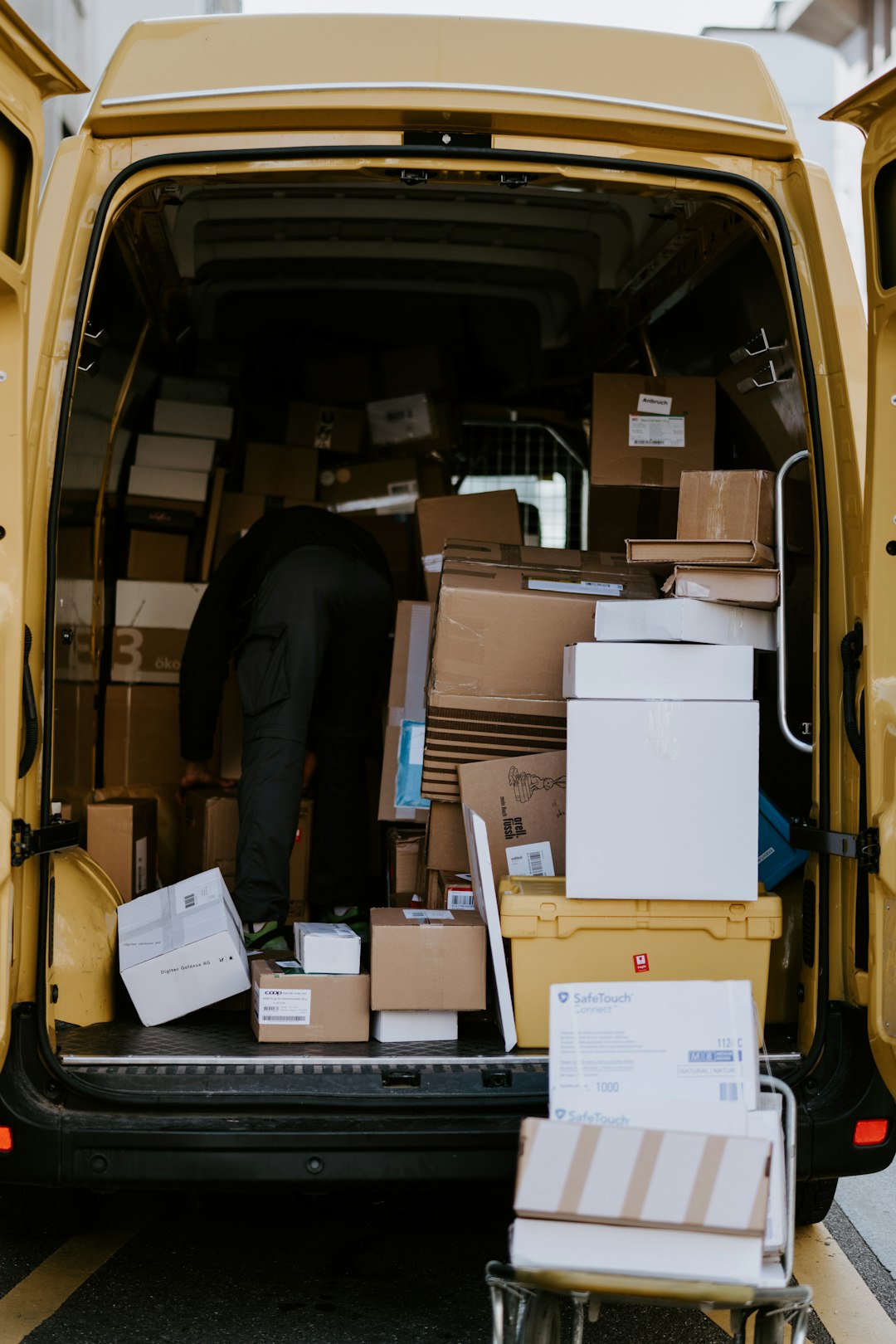
Uncovering Top Junk Haulers for Seamless Property Clearance
Read more →Seasonal Clearances: Spring Cleaning vs. Fall Debris Strategies
Read more →
Post-Clearance Checks: Ensuring Property Job Perfection
Post-clearance checks are crucial for property clearance, ensuring thoroughness, client satisfaction.......
Read more →

Hire With Confidence: Setting Standards for Ethical Property Clearance
Property clearance requires a blend of efficiency, environmental responsibility, and transparency. K.......
Read more →

Local Haulers: Efficient Property Clearance Experts Near You
Local haulers specializing in property clearance offer significant advantages over national companie.......
Read more →

Uncover Hidden Value: House Clearance Upcycling Revolution
House clearance naturally empowers individuals and businesses to transform junk into valuable assets.......
Read more →

Declutter Your Space, Calm Your Mind: House Clearance Benefits
Mental clutter, driven by physical disorganization, negatively impacts daily life and well-being. Ho.......
Read more →

Hire with Confidence: House Clearance Insurance Guide
House clearance, especially for deceased estates, demands careful management. Specialized firms offe.......
Read more →

Master Property Clearance: DIY Safety & Eco-Friendly Tips
Efficient property clearance requires tailored tools, safety first, strategic planning, and eco-frie.......
Read more →

Boost Sustainability: Local Recycling & Property Clearance Strategies
Local recycling programs and property clearance services in London are crucial for sustainable livin.......
Read more →

Declutter, Let Go, Seamless Move: Property Clearance Strategies
A mindful decluttering process before a move streamlines packing, fosters freedom in the new space,.......
Read more →

Efficient Junk Removal: Strategize, Clear, and Optimize Property Clearance
Assessing junk removal needs for property clearance is essential before hiring services. Consider sc.......
Read more →
Nonprofits Revolutionize Property Clearance and Junk Collection
Nonprofit organizations play a vital role in environmental conservation through eco-friendly propert.......
Read more →

Streamline Junk Haul: Efficient Planning for Busy Professionals
In a fast-paced world, effective property clearance is vital for stress reduction and balanced livin.......
Read more →
Master House Clearance: Organize, Clear, and Sustain Order
Assessing clutter is crucial for efficient house clearance naturally. Categorize items into keep, do.......
Read more →